Why Does My Dog Keep Getting Ear Infections? The Real Cause
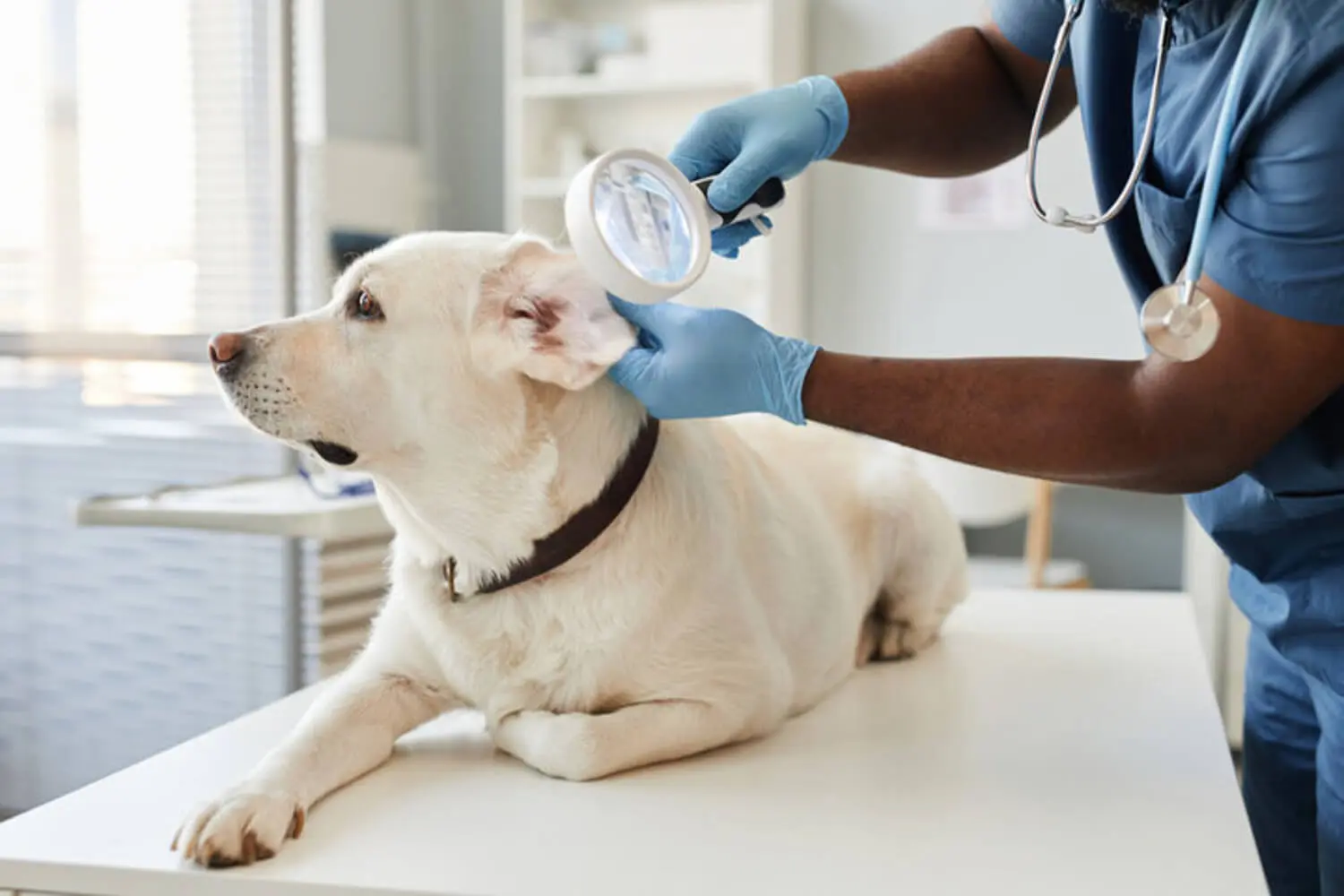
If your dog has had more than one ear infection, you’ve probably noticed a pattern. You treat it. It clears up. Then a few weeks or months later, it comes back. Each time, you do the same thing — and each time, you end up back at the same place.
That cycle isn’t bad luck. It’s a signal. Recurring ear infections almost always point to an underlying cause that hasn’t been identified or addressed yet. The infection is the symptom. Something else is driving it. Understanding what that something is — and how to address it — is what actually breaks the cycle.
Why Do Dog Ear Infections Keep Coming Back?
The most common reason ear infections recur is straightforward: the underlying cause was never treated. Only the infection was.
Medicated drops and ear cleaning clear the current overgrowth of yeast or bacteria. But they don’t change the environment that allowed the overgrowth to happen. If the ear canal stays inflamed, stays moist, or keeps getting exposed to whatever is triggering the problem, the conditions for the next infection rebuild almost immediately after treatment ends.
Many owners assume each infection is a separate, unrelated event. In dogs with recurrent infections, that’s rarely true. Each episode is usually the same underlying problem expressing itself again. Breaking the cycle means finding out what that problem is.
Why Are Dog Ears So Prone to Infection?
A dog’s ear canal runs vertically and then turns horizontal before it reaches the eardrum. That L-shape makes it much harder to drain and dry than a human ear canal.
Moisture, debris, and wax collect in the horizontal section. Air circulation there is poor. A healthy ear maintains a natural balance of bacteria and yeast, but when heat and moisture build up, that balance tips. Yeast and bacteria overgrow, and an infection develops.
Anatomy alone doesn’t cause infections. But it creates the conditions where infection becomes more likely any time another contributing factor enters the picture. That’s why some dogs develop infections easily even with routine care — their ear structure works against them before anything else goes wrong.
What Is Actually Causing Your Dog’s Ear Infections?
Several factors contribute to recurring ear infections, and many dogs have more than one at play at the same time. Allergies are the leading cause, but anatomy, lifestyle, and other conditions all factor in. Here is what a vet looks at when trying to identify the root cause for a specific dog.
Allergies
Allergies are the single most common underlying cause of recurring ear infections in dogs.
Whether the trigger is environmental — pollen, dust mites, mold — or food-related, allergies cause inflammation throughout the body, including in the lining of the ear canal. That inflammation increases wax production and traps moisture, creating exactly the environment where yeast and bacteria thrive.
One useful clue: when both ears are infected at the same time, allergies are especially likely to be the driver. A systemic allergic response affects the whole body, not just one ear. A single-ear infection more often points to a local cause, like a foreign object or a polyp.
Treating the current infection without addressing the allergy leaves the underlying inflammation active. The next infection starts building before the ear even finishes healing.
Floppy Ears and Anatomy
Dogs with floppy ears face a higher baseline risk of ear infections because the ear flap blocks airflow into the canal, trapping heat and moisture underneath.
An upright ear lets air move in and out naturally. A floppy ear sits over the canal opening and creates a warm, humid pocket — exactly the kind of environment where yeast and bacteria grow most readily.
Owners of floppy-eared dogs often assume recurring infections mean they’re doing something wrong — not cleaning often enough, or using the wrong product. In most cases, anatomy is the real factor. The infections aren’t a failure of care. They’re a predictable consequence of ear structure, and they call for consistent long-term management rather than a one-time fix.
Moisture and Swimming
Water in the ear canal from swimming, bathing, or humid environments creates the moisture conditions where infection becomes more likely.
Jacksonville’s warm, humid climate — combined with ready access to lakes, beaches, and backyard pools — means local dogs often deal with more ear moisture than dogs in drier parts of the country. That water enters the L-shaped canal and doesn’t drain or evaporate easily.
Moisture alone rarely triggers an infection in a completely healthy ear. But in a dog already predisposed by allergies or anatomy, it often pushes the ear from irritated to infected. For Jacksonville dog owners whose pets swim regularly, ear drying after every water exposure is one of the most directly controllable parts of prevention.
Ear Hair, Wax Buildup, and Skin Disease
Three additional factors contribute to the environment where infections develop and recur:
- Excess hair in the ear canal traps debris and reduces airflow
- Heavy wax buildup creates a medium where bacteria and yeast grow more readily
- Underlying skin disease disrupts the skin’s natural barrier function in and around the ear, making infection easier to establish
These factors often appear alongside something else. A dog with allergies tends to overproduce ear wax, for example. Addressing the primary cause usually improves these secondary factors at the same time.
What Are the Signs of a Chronic Ear Infection in Dogs?
The signs of a chronic ear infection in dogs include:
- Head shaking
- Scratching at the ears
- Redness or swelling inside the ear
- Odor — often described as yeasty or sour
- Discharge
- Pain when the ear is touched — flinching or pulling away
Here’s the important part: if you’re noticing these signs, you’re already behind the curve. The infection was developing before any visible symptoms appeared. Regular ear checks matter for dogs with a history of infections specifically because the problem starts earlier than it looks.
For dogs with known underlying causes, catching even one of these signs early is reason to call rather than wait and see.
Which Dog Breeds Get Ear Infections Most Often?
Certain breeds carry a significantly higher baseline risk because of their physical characteristics:
- Cocker Spaniels — floppy ears combined with a dense coat around the ear opening
- Basset Hounds — extremely long, heavy ear flaps that sit close to the ground
- Golden Retrievers — floppy ears paired with a strong tendency to swim
- Poodles — hair that grows inside the ear canal, trapping debris and reducing airflow
- Shar Peis — narrow ear canals that restrict airflow and hold moisture
Any dog can develop ear infections, though. Breed predisposition raises the baseline risk, but mixed breeds and dogs not on this list develop chronic ear infections regularly — especially when allergies or moisture are involved. If your dog is on this list, consistent ear maintenance and early action when signs appear matter more than reactive treatment after a full infection develops.
Why Doesn’t Treating the Infection Stop the Cycle?
Treating the infection clears the current overgrowth of yeast or bacteria. It does nothing to change the environment that allowed the overgrowth to happen.
When you treat the infection alone, you fix the symptom and leave the cause intact. If the cause is an unmanaged allergy, that allergy is still inflaming the ear canal the day after treatment ends. If the cause is moisture from swimming in Jacksonville’s lakes and pools, that exposure continues. The conditions for the next infection start rebuilding immediately.
This isn’t a failure of the medication. The medication works. It just doesn’t fix what caused the infection in the first place. That’s a separate problem — and it requires a separate solution.
Long-term control starts with identifying what’s actually driving the infections for that specific dog. That’s what a proper diagnostic workup does.
What Does Finding the Real Cause Actually Involve?
Identifying the root cause means looking at the full picture of the dog’s health, not just the state of the ear at that moment. The diagnostic process typically involves:
- Ear cytology to identify whether the infection involves yeast, bacteria, or both — and which organisms specifically
- Assessment of whether both ears are affected, which points toward a systemic cause like allergies
- Evaluation of contributing factors — does the dog swim regularly? What breed and ear type? Any history of skin problems or allergies?
- Allergy testing when allergies are suspected, to identify specific environmental or food triggers
- Culture and sensitivity testing in resistant or recurring cases, to confirm which medications will work against the specific organisms present
The goal isn’t only to identify what’s wrong with the ear right now. It’s to understand what’s normal for that specific dog — and to catch the pattern that keeps producing infections before it causes more damage.
What Can You Do at Home to Help?
At-home care supports long-term ear health and helps reduce recurrence risk. It works best alongside a plan that addresses the underlying cause — not as a substitute for finding it.
Four habits make the biggest difference:
- Clean ears on schedule — follow whatever frequency your vet recommends. Too often irritates the canal; too rarely allows buildup. The right schedule depends on the dog.
- Dry ears after every swim or bath — pat gently, avoid inserting anything deep into the canal, and dry promptly every time. For Jacksonville dogs that swim regularly, this step matters more than most owners realize.
- Stay consistent with allergy management — if your dog is on allergy medication or a specific diet, stopping early or skipping doses allows the underlying inflammation to return. Consistency is what makes the management work.
- Finish medications completely — even when the ear looks better, finishing the full course clears the infection fully and reduces the risk of resistant organisms developing.
These habits won’t guarantee infections never recur, especially if the root cause hasn’t been identified yet. But they reduce the frequency and severity of flare-ups and support whatever treatment plan your vet has built. For dogs prone to ear problems, routine ear care works best as part of a consistent prevention routine rather than something you return to only after an infection develops.
When Should You Call the Vet?
Call us if you notice any of the following:
- Symptoms aren’t improving after a few days of at-home care
- The infection keeps coming back after treatment
- You see discharge, odor, or swelling in or around the ear
- Your dog seems to be in pain — flinching when the ear is touched or reluctant to let you near it
If your dog has had more than one ear infection, that pattern itself is a reason to schedule an exam. Not to treat the current episode in isolation — but to start looking for what’s driving it. That’s the visit that breaks the cycle rather than managing another round of the same problem.
Schedule an exam with our team and we’ll take a close look at what’s actually going on — the ear, the history, and the contributing factors specific to your dog. Healthy ears are possible. We’ll help you get there.