

Why Is Diagnostic Testing Important for Pets? Not Guesswork
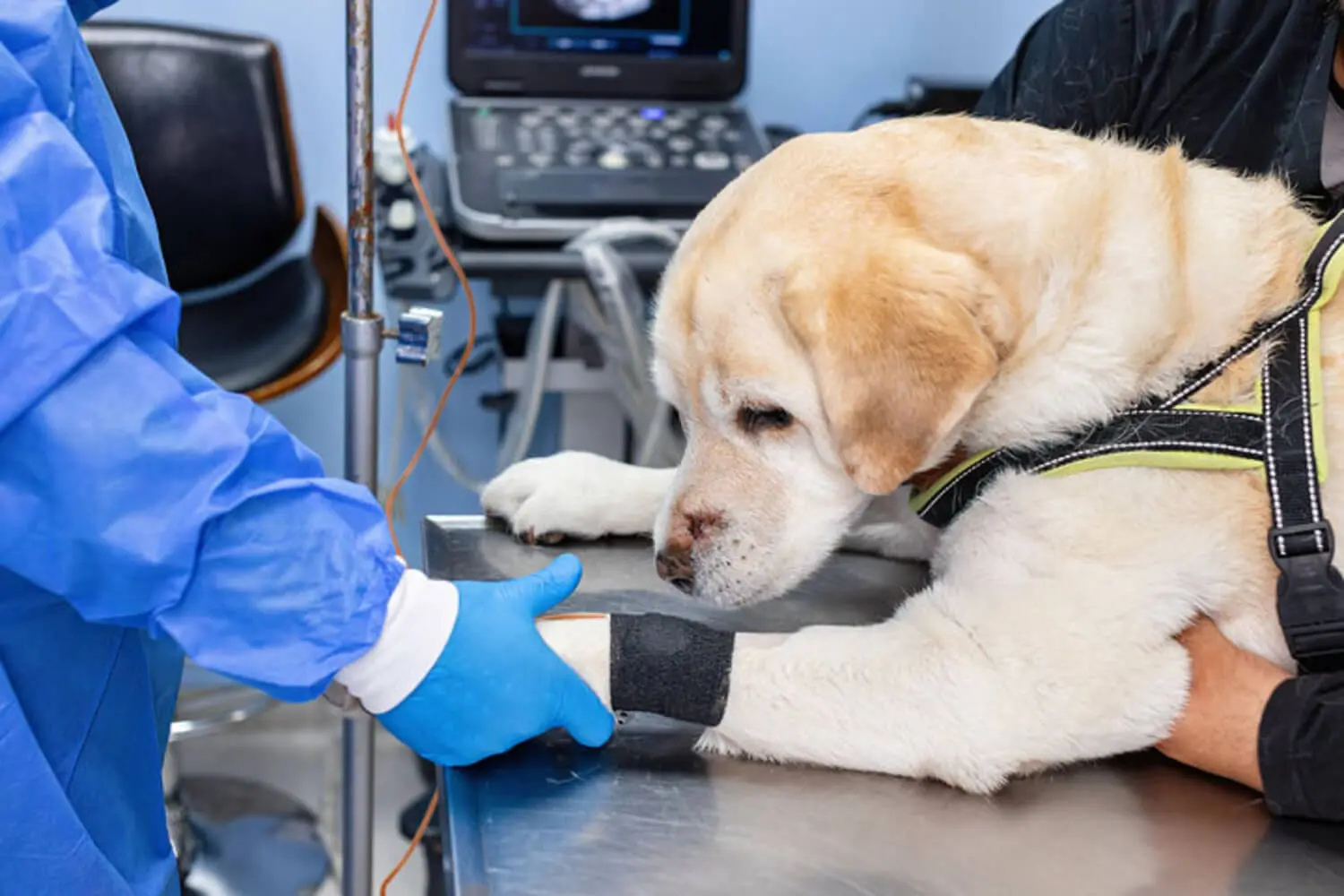
If your vet has recommended diagnostic testing and you’re wondering whether it’s really necessary, that’s a fair question. It deserves a clear answer before you decide. Diagnostic testing isn’t an add-on or an upsell. It’s how a vet gets real information about what’s happening inside your pet’s body. Symptoms and physical exams tell part of the story. Testing tells the rest. This blog covers what diagnostic testing actually involves, why a physical exam alone has real limits, what standard and targeted tests reveal, what skipping testing typically costs, and why same-day results change what’s possible for your pet’s care.
What Does Diagnostic Testing Actually Mean for Pets?
Diagnostic testing means gathering real, measurable information about what’s happening inside your pet’s body. It’s not about guessing based on what a vet can see or feel from the outside.
Pets can’t describe where it hurts. They can’t say how long something has been bothering them or whether they feel worse than last week. A physical exam gives the vet what’s visible and palpable. But many conditions develop internally and produce no outward signs until they’re already advanced.
Many owners assume diagnostic testing is only for sick pets or emergencies. In reality, testing belongs in routine wellness care too. It establishes what’s normal for that specific pet, which makes future changes easier to catch and interpret. Testing replaces guesswork with information, and information is what makes treatment decisions reliable rather than approximate.
Why Can’t Vets Diagnose Pets Without Testing?
Vets observe a great deal during a physical exam. But observation alone can’t confirm what’s happening at the organ, cellular, or biochemical level. That’s where most diseases live before they become visible.
Consider two dogs that both come in with lethargy, reduced appetite, and weight loss. One has early kidney disease. Another has a hormonal imbalance. A third has a systemic infection. The right treatment for each is completely different. Without testing, the vet can’t reliably tell which situation they’re dealing with.
There is no shortcut. Vets can’t just tell what’s wrong by looking. They can’t treat every pet with the same symptoms the same way and expect good outcomes. Attempting to treat without a diagnosis is how pets end up on the wrong medication or treated for the wrong condition entirely. Testing closes the gap between what’s observable and what’s actually happening. That gap is where most diagnostic mistakes live.
What Do Standard Diagnostic Tests Include?
Standard diagnostic testing covers the core systems that tell a vet the most about a pet’s overall health. These tests are the ones most commonly recommended at wellness exams and sick visits. Together, they build a baseline picture of what’s normal for that specific animal.
Bloodwork
Bloodwork evaluates organ function, infection markers, blood sugar levels, and electrolytes. It gives the vet a direct window into how the liver, kidneys, pancreas, and immune system perform.
Many organ-level conditions produce no outward signs early on. A dog with early kidney disease may eat, drink, and act completely normally while kidney function quietly declines. Bloodwork catches those changes before they become crises. It also builds a baseline — once the vet knows what’s normal for your pet, future results become far more informative because the vet can spot and track changes over time.
Urinalysis
Urinalysis evaluates kidney and bladder health, checks for infection, and gives the vet information about hydration status and metabolic function.
The kidneys filter waste from the blood and produce urine, so urine composition reveals a great deal about how well that filtration process works. Infection, crystals, protein loss, and early kidney changes all appear in urinalysis before they produce visible symptoms. Urinalysis often catches conditions — like early urinary tract infections or the beginning of kidney decline — that a physical exam and bloodwork alone would miss.
Fecal Testing
Fecal testing screens for intestinal parasites, including many that are invisible to the eye, and identifies gastrointestinal causes of diarrhea or digestive upset.
A pet can carry a significant parasite load without showing obvious signs. Some parasites also pose health risks to people in the household. A visual inspection of the stool tells you nothing about microscopic parasites. Annual fecal testing catches what would otherwise go undetected and protects both the pet and the household.
X-Rays
X-rays give the vet a clear view of internal structures — bones, lungs, heart size, abdominal organs, masses, and foreign objects — that a physical exam simply cannot reach.
A dog that swallowed something it shouldn’t have may not show obvious distress right away. A cat with early heart enlargement may seem completely fine until the condition is advanced. X-rays reveal what’s physically present in the body in a way no external assessment can replicate. They’re often the first imaging step that explains a symptom that wasn’t making sense from the exam alone.
Ultrasound
Ultrasound evaluates internal organs in real time. It shows the vet not just the size and position of structures, but what’s happening inside them — fluid accumulation, masses, and subtle changes in organ texture.
Where X-rays show structure, ultrasound shows internal detail. A mass visible on X-ray as a shadow might be a cyst, a tumor, or a benign growth. Ultrasound helps distinguish between them. The two tools answer different questions and often work together as part of the diagnostic process. Ultrasound often turns a concerning X-ray finding into an actionable diagnosis rather than an unanswered question.
What Are the More Targeted Diagnostic Tests?
When standard testing points toward something that needs a closer look, or when a specific symptom calls for more focused information, the vet may recommend targeted testing. These aren’t part of every visit. They’re used when the situation calls for greater precision.
Fine Needle Aspiration
Fine needle aspiration (FNA) uses a small needle to collect a sample of cells from a lump, mass, or swollen lymph node to determine what it actually is.
Lumps can be benign fatty deposits, cysts, inflammatory tissue, or something that needs immediate attention. There’s no reliable way to tell from the outside without sampling the cells. FNA is minimally invasive and often provides a same-day answer. Knowing what a lump is allows the vet and owner to make an informed decision about next steps rather than watching and wondering.
Ear Cytology
Ear cytology involves swabbing the ear canal and examining the sample under a microscope to determine whether the infection involves yeast, bacteria, or both.
Yeast infections and bacterial infections look similar from the outside but require different treatments. Treating a bacterial infection with an antifungal won’t clear the problem and may make it worse. Cytology takes the guesswork out of which treatment will actually work, and it’s what makes the difference between a treatment that works the first time and repeated cycles of ineffective medication.
Skin Testing
Skin testing — which may include scrapes, tape preparations, or cytology — examines skin samples under a microscope to determine whether a pet’s skin problem stems from allergies, infection, or parasites.
Not all itching looks the same under a microscope. A dog scratching from a yeast overgrowth, a bacterial skin infection, and a mite infestation all present similarly on the surface. The treatment for each is completely different. Skin testing turns a vague symptom into a specific diagnosis and makes targeted, effective treatment possible instead of trial-and-error approaches.
Tapes and Impressions
Tape preparations and impression smears collect surface cells and bacteria from the skin for microscopic examination. The vet presses a small piece of clear tape against the skin to lift surface cells, or presses a glass slide directly against the affected area to collect a sample. Both methods reveal what organisms are present at the cellular level.
Some skin infections are subtle. The surface may look mildly irritated without obvious lesions, discharge, or odor, but the cellular picture tells a different story. These tests are quick, low-stress for the pet, and guide treatment directly rather than requiring additional follow-up testing.
What Happens If You Skip Diagnostic Testing for Pets?
Skipping diagnostic testing doesn’t save time or money. It typically costs more of both.
Here’s what skipping diagnostics often leads to:
- Delayed diagnosis — conditions that could have been caught early progress to a more advanced and harder-to-treat stage
- Wrong treatment — treating based on visible symptoms without confirming the cause often means treating the wrong thing entirely
- More vet visits — when the first treatment doesn’t work, the owner comes back, the pet goes through more stress, and the problem remains unresolved
- Higher long-term cost — advanced disease costs more to treat, and correcting a wrong treatment path adds time and visits on top of the original problem
It’s understandable to wonder whether every recommended test is necessary. But diagnostics exist because the alternative — guessing — produces worse outcomes more often than not. Getting answers early consistently saves money and time compared to treating without them. Diagnostics don’t add cost to a visit. They reduce the total cost of getting a pet healthy by making the first treatment the right one.
Why Do Same-Day Results Matter?
One of the most common reasons owners hesitate on diagnostic testing is the idea of waiting days for results while their pet is sick or uncomfortable. At SJB, many diagnostic results come back the same day.
In-house lab testing and imaging mean the vet has the information they need to make a treatment decision during or immediately after the visit. Faster answers mean faster treatment and less worry for the owner. Some specialized tests do go to an outside reference laboratory and take longer, and the vet will communicate which tests fall into that category. But for the most common diagnostics — bloodwork, urinalysis, imaging, and cytology — same-day results are the norm. The wait-and-worry period many owners dread is often much shorter than they expect.
What Is the Real Goal of Diagnostic Testing?
The goal of diagnostic testing isn’t to add procedures. It’s to make sure that whatever treatment is recommended is actually the right one for what’s actually happening in that specific pet.
When a vet recommends testing, they’re not assuming something is wrong. They’re making sure the next step they take is grounded in real information rather than an educated estimate. That’s the difference between treating correctly and treating approximately.
If your pet is due for a wellness exam, or if you’ve been putting off a visit because you weren’t sure what it would involve, this is a good time to schedule an appointment. Routine diagnostic testing is a core part of proactive preventative care — it’s how you find out your pet is healthy, not just how you find out something is wrong. We run most tests in-house, results come back the same day, and our team will walk you through every finding so you leave with a clear picture of where your pet stands.